

News Archive
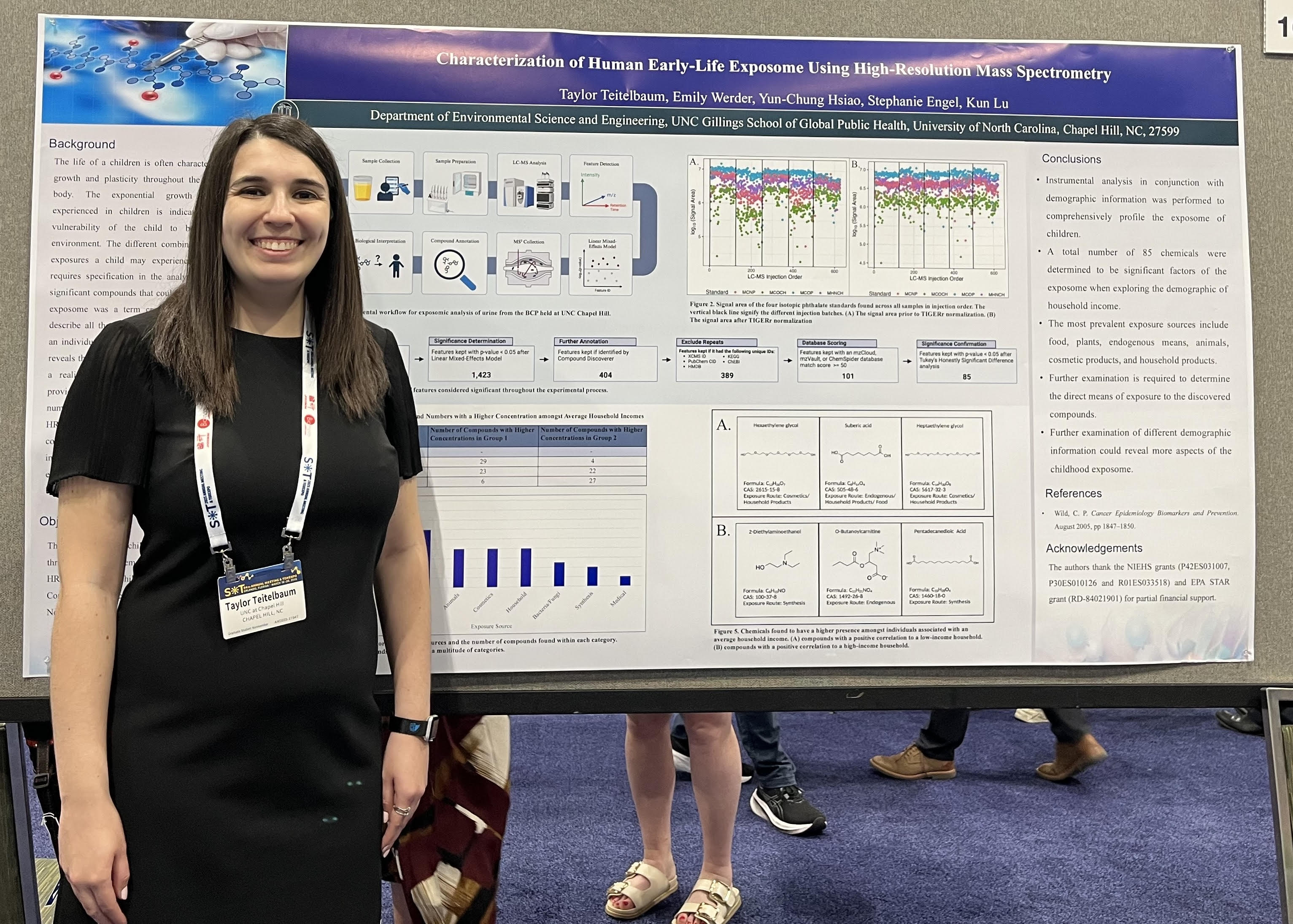
A recent study in Chemical Research in Toxicology looks at environmental health by mapping the wide range of chemicals that children are exposed to in everyday life.
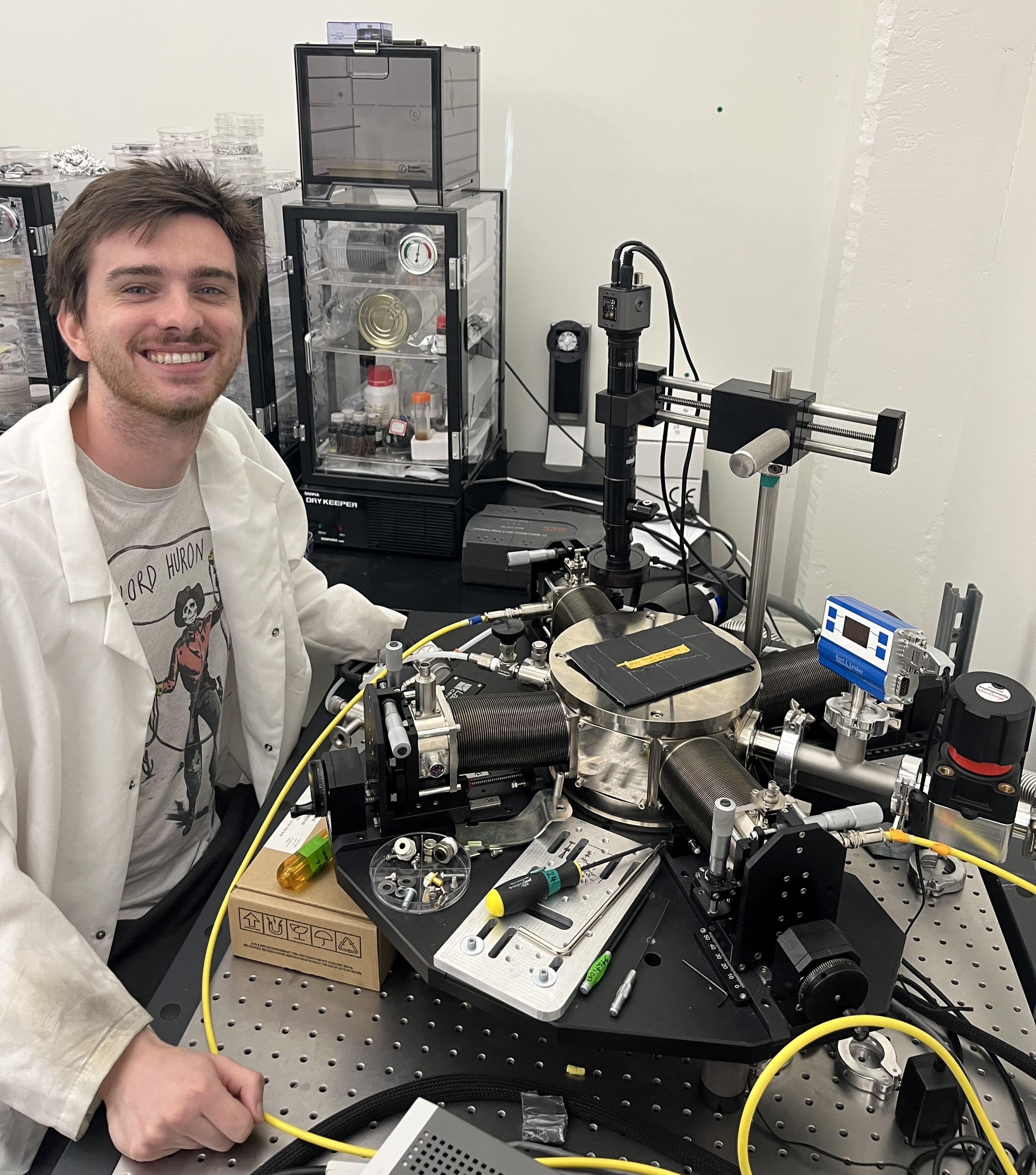
In a step toward smaller and more controllable quantum devices, researchers at UNC-Chapel Hill have found a new way to generate and control tiny sound waves using superconducting materials.
Researchers in Professor Matthew Redinbo’s Lab in the Department of Chemistry at UNC-Chapel Hill, along with collaborators in the School of Medicine, have discovered that differences in gut bacteria, collectively known as the microbiome, may help explain why some people experience more gut toxicity than others.
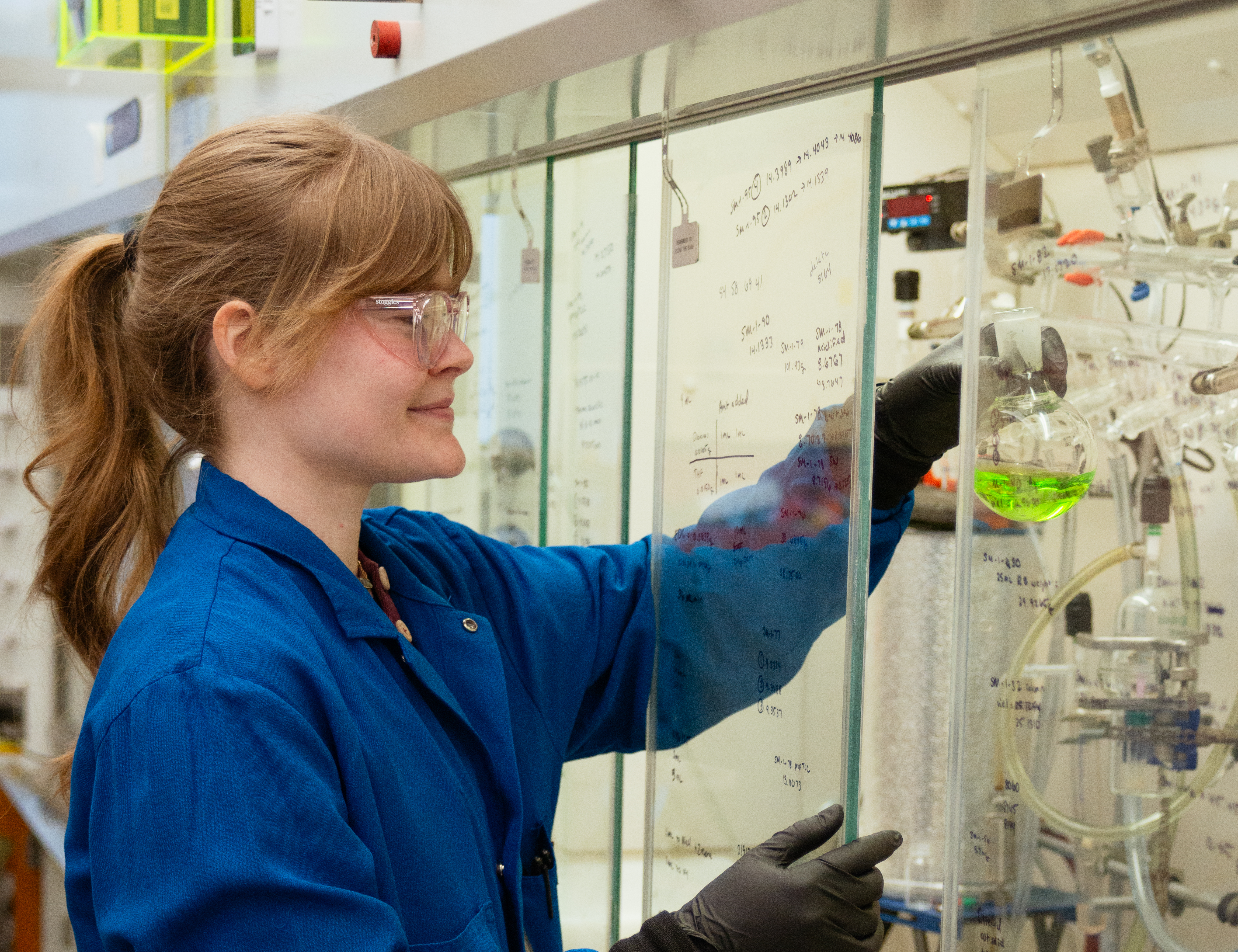
Samantha McDonald, a postdoctoral research associate in chemistry at UNC-Chapel Hill, has been awarded a 2026 Arnold O. Beckman Postdoctoral Fellowship in Chemical Sciences, one of the most prestigious awards for early-career scientists in chemistry who are opening new directions in research, from the Arnold and Mabel Beckman Foundation.
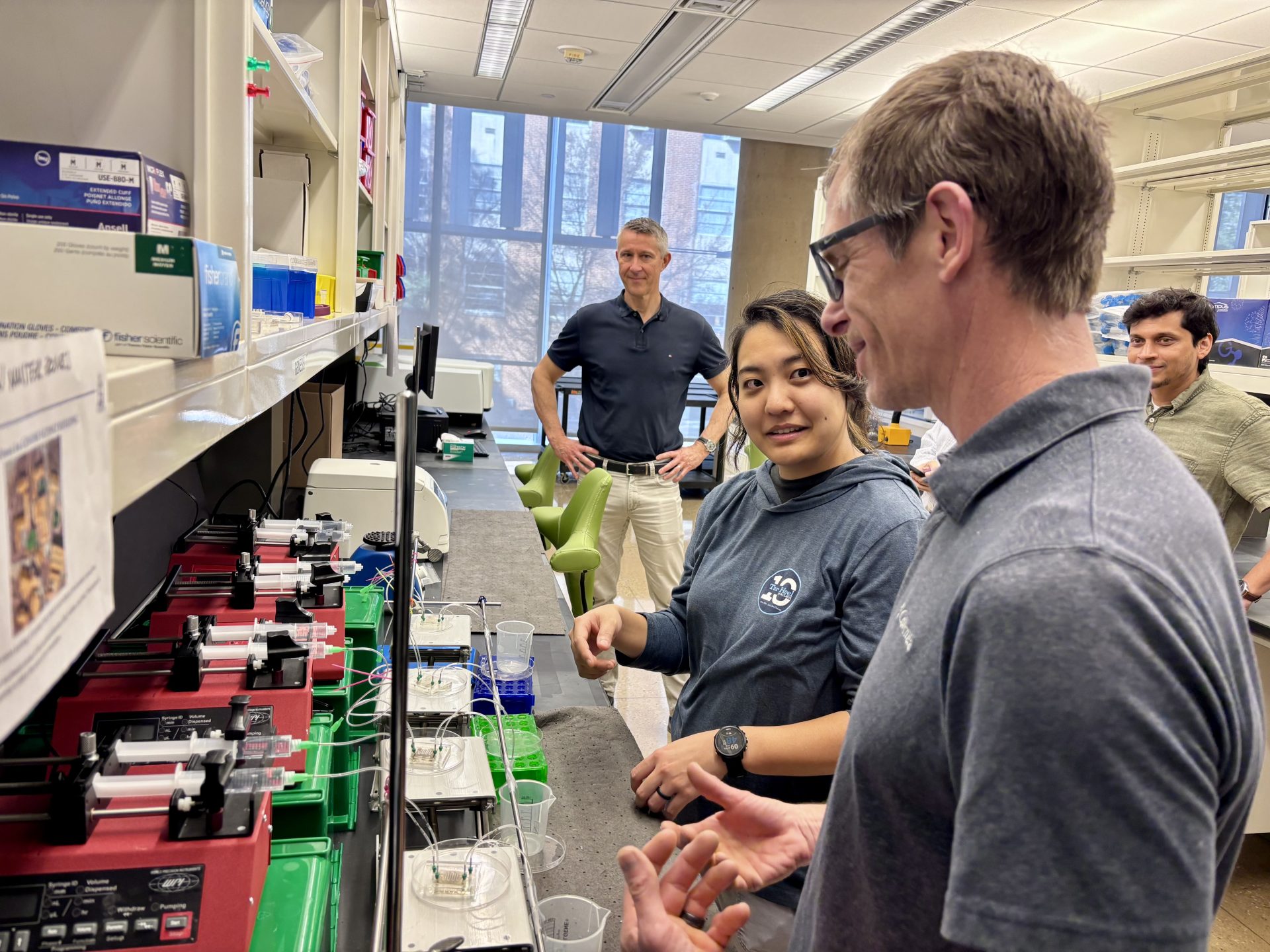
A team of engineers, chemists and physicians at UNC-Chapel Hill is developing a breakthrough membrane technology that could shrink today’s refrigerator-sized dialysis machines into a wearable, smartphone-sized artificial kidney—potentially transforming care for hundreds of millions of patients worldwide.
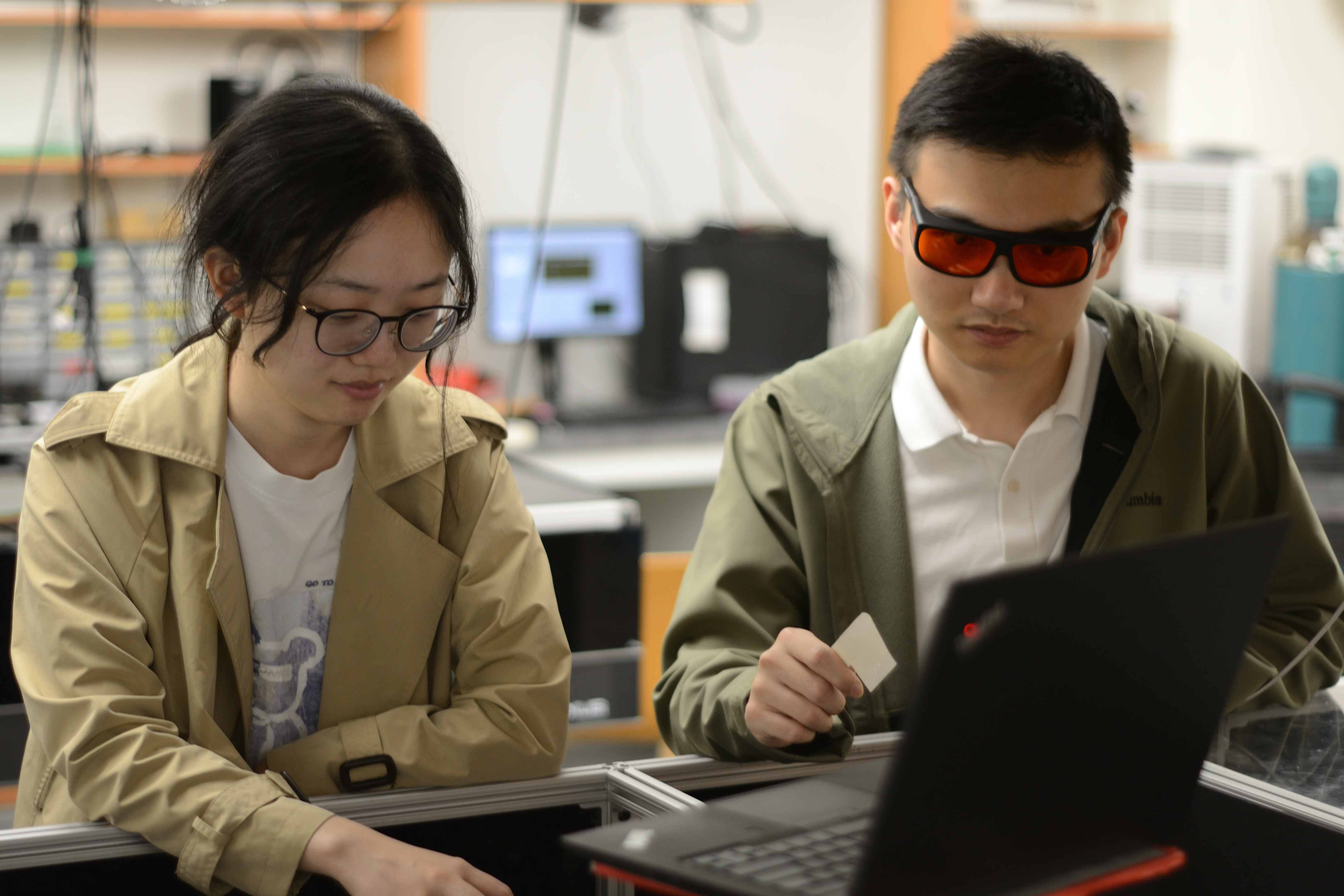
Researchers in the Moran Lab have demonstrated a new way to encode information in light using a class of materials known as two-dimensional perovskites.

A Department of Chemistry study is shedding light on how a special class of materials called perovskites could help improve future optical technologies, from advanced sensors to telecommunications devices.
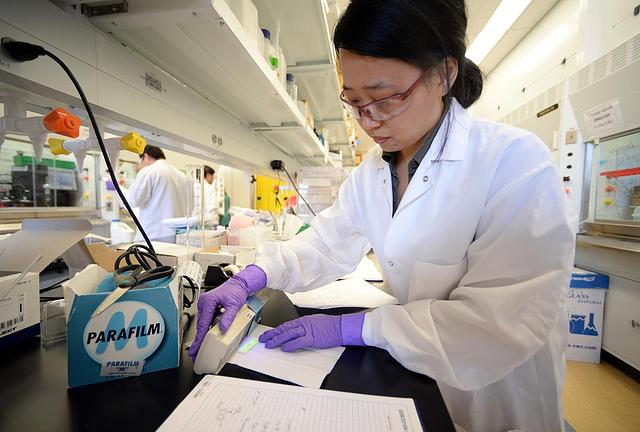
At a conference celebrated for scientific breakthroughs, graduate students are turning the spotlight onto the hidden risks faced by scientists.
Researchers report a new catalytic method that may finally make abundant chemicals compounds called alkyl chlorides far easier to use.
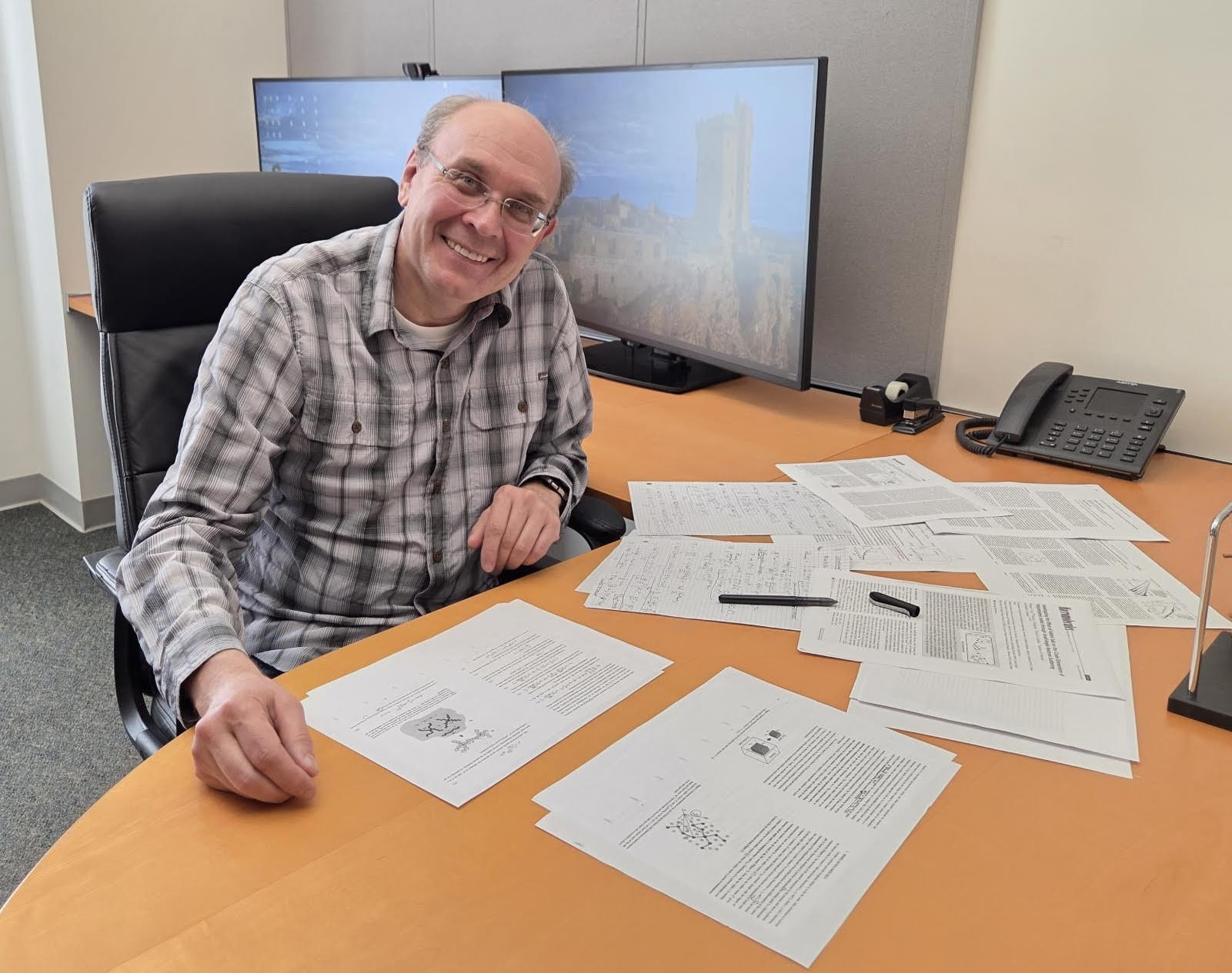
A textbook published by Andrey Dobrynin explains how polymers behave and why that behavior matters in real life.
Kevin Weeks, Distinguished Professor of Chemistry at UNC-Chapel Hill, has been named a Senior Member of the National Academy of Inventors.
Gary Pielak has received a Distinguished Scholar Fellowship from the Fulbright U.S. Scholar Program that will fund a four-month research residency in Israel.