

News Archive
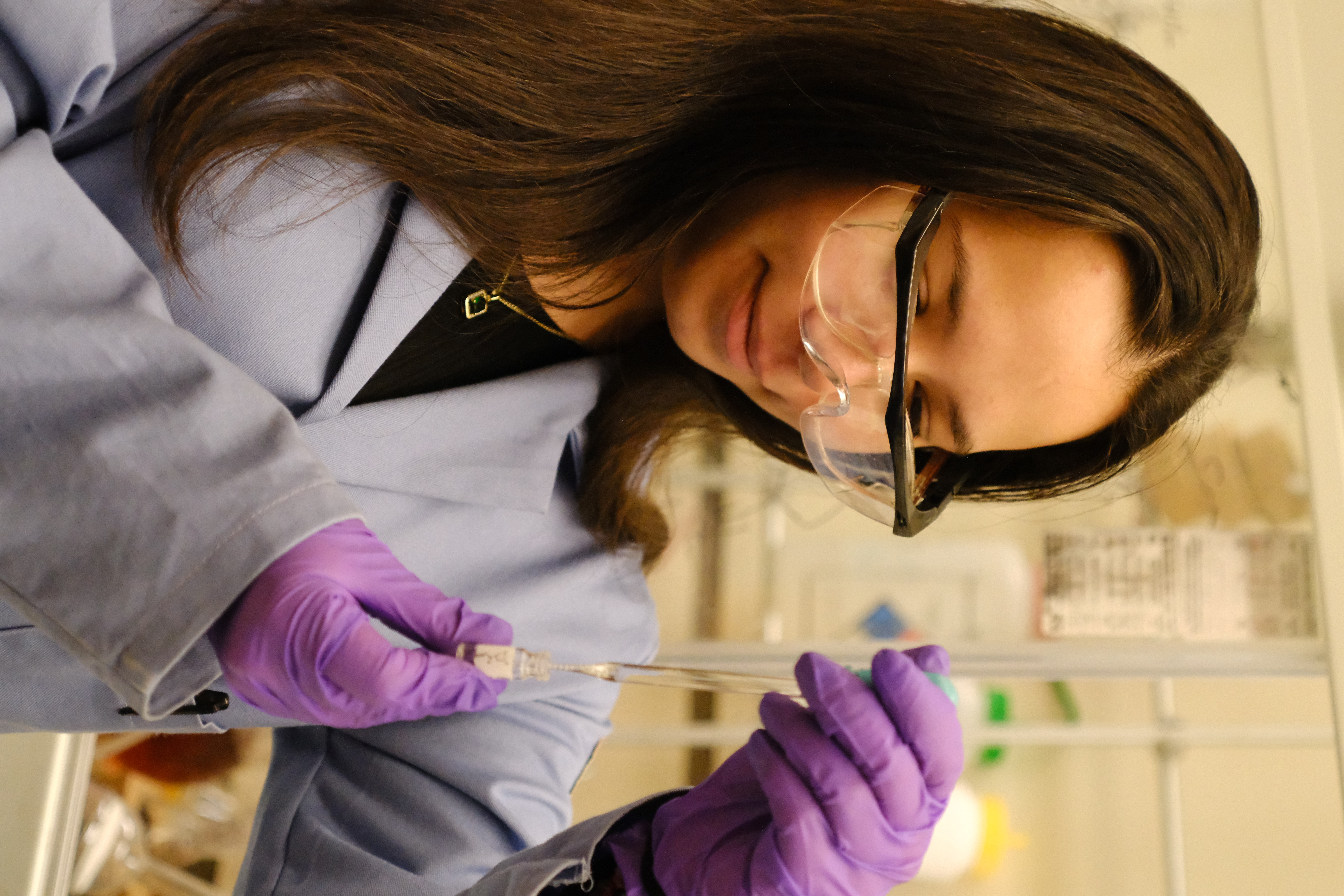
Geraldine O'Hallorans focuses her work on finding potential drug treatments for a devastating childhood brain cancer called Diffuse Intrinsic Pontine Glioma, or DIPG.
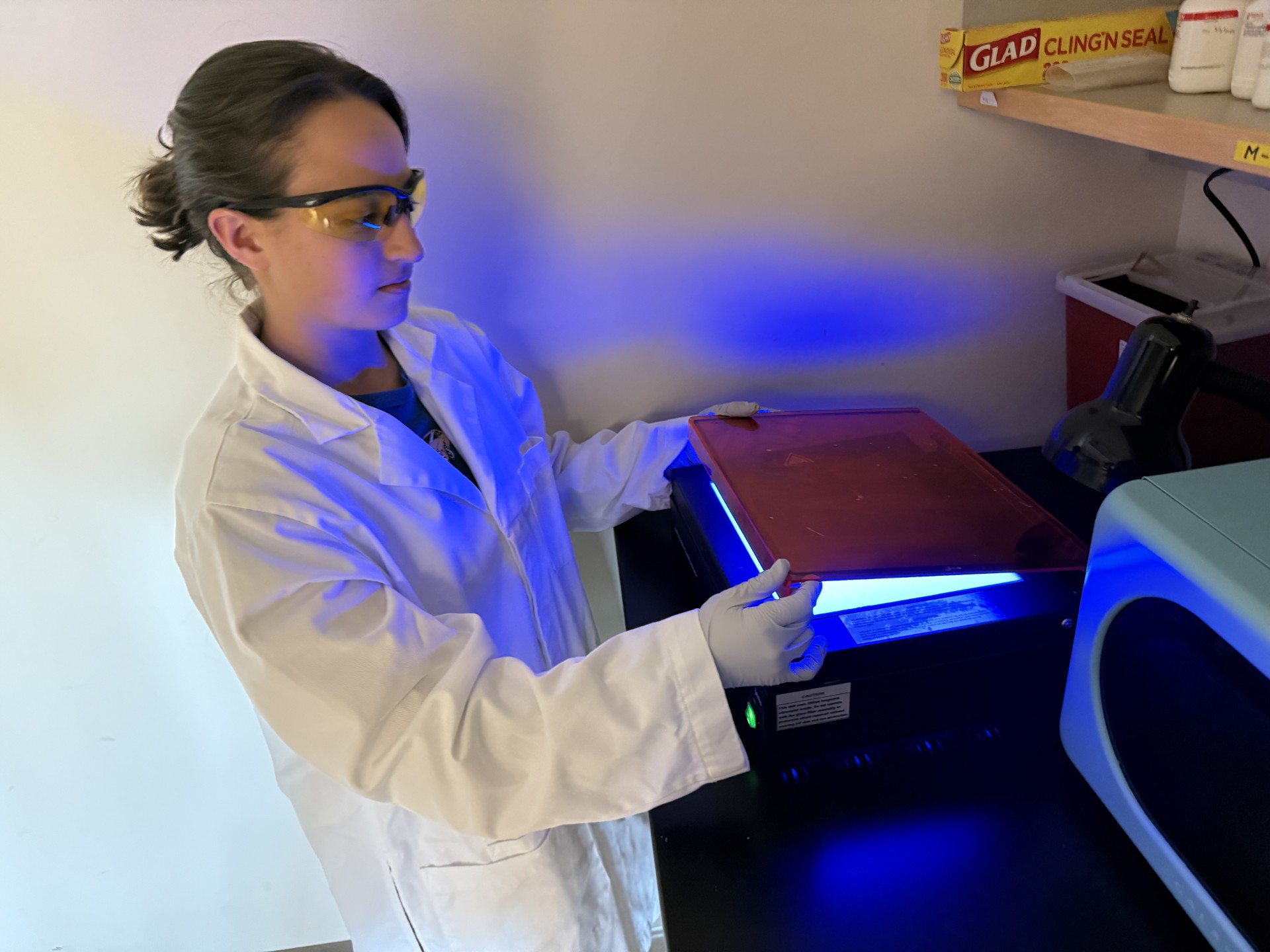
Under the guidance of Professor Rob Dowen, Yasmine Ackall, a UNC biochemistry major, explores one of biology’s most intriguing mysteries: how living organisms decide when to store energy as fat and when to burn it.
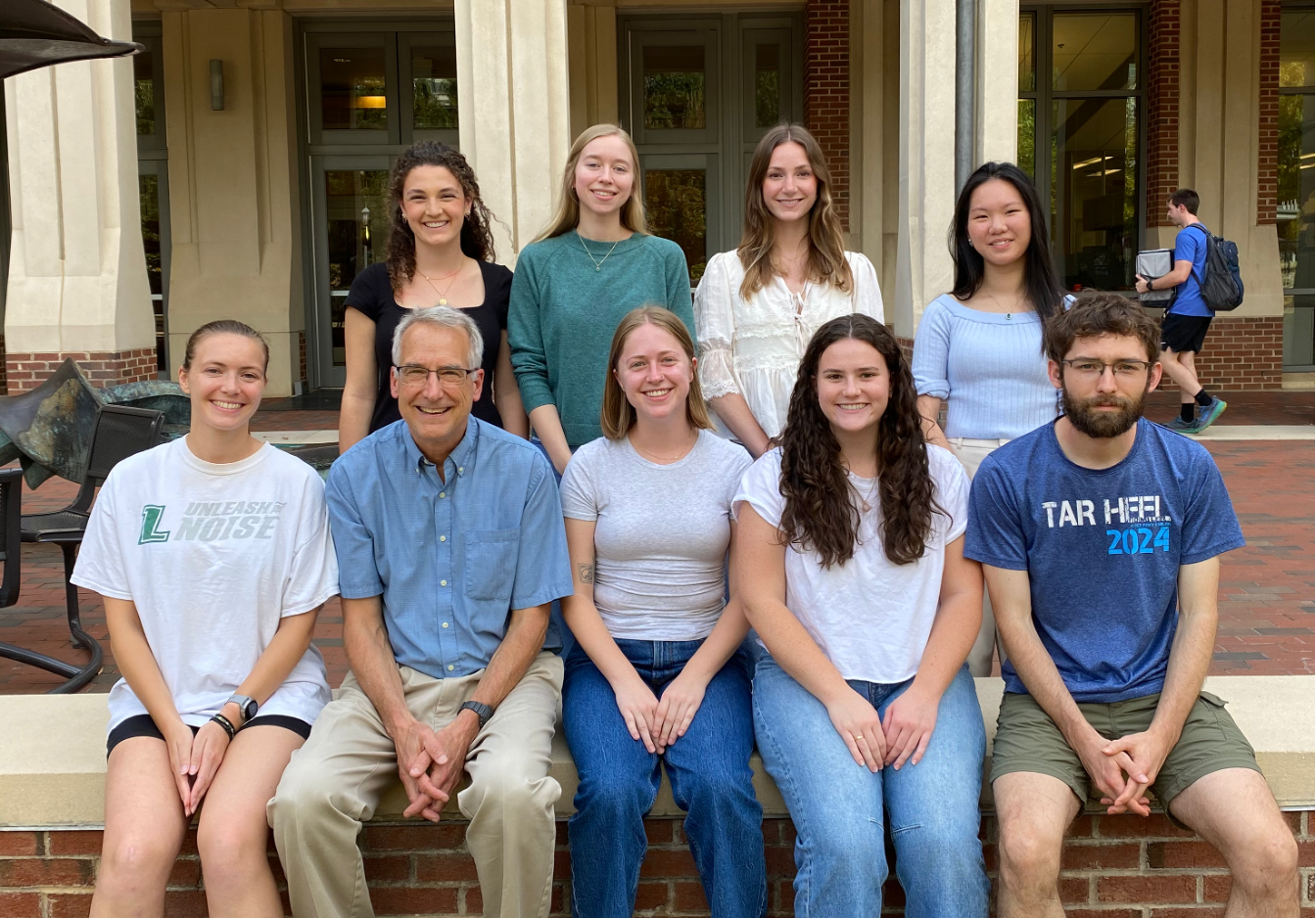
Under the guidance of Dr. Lee Graves, a professor known for his research in pharmacology and drug development, Emmy Tang has developed her own project investigating how cancer drugs work in the context of a rare disease called porphyria.
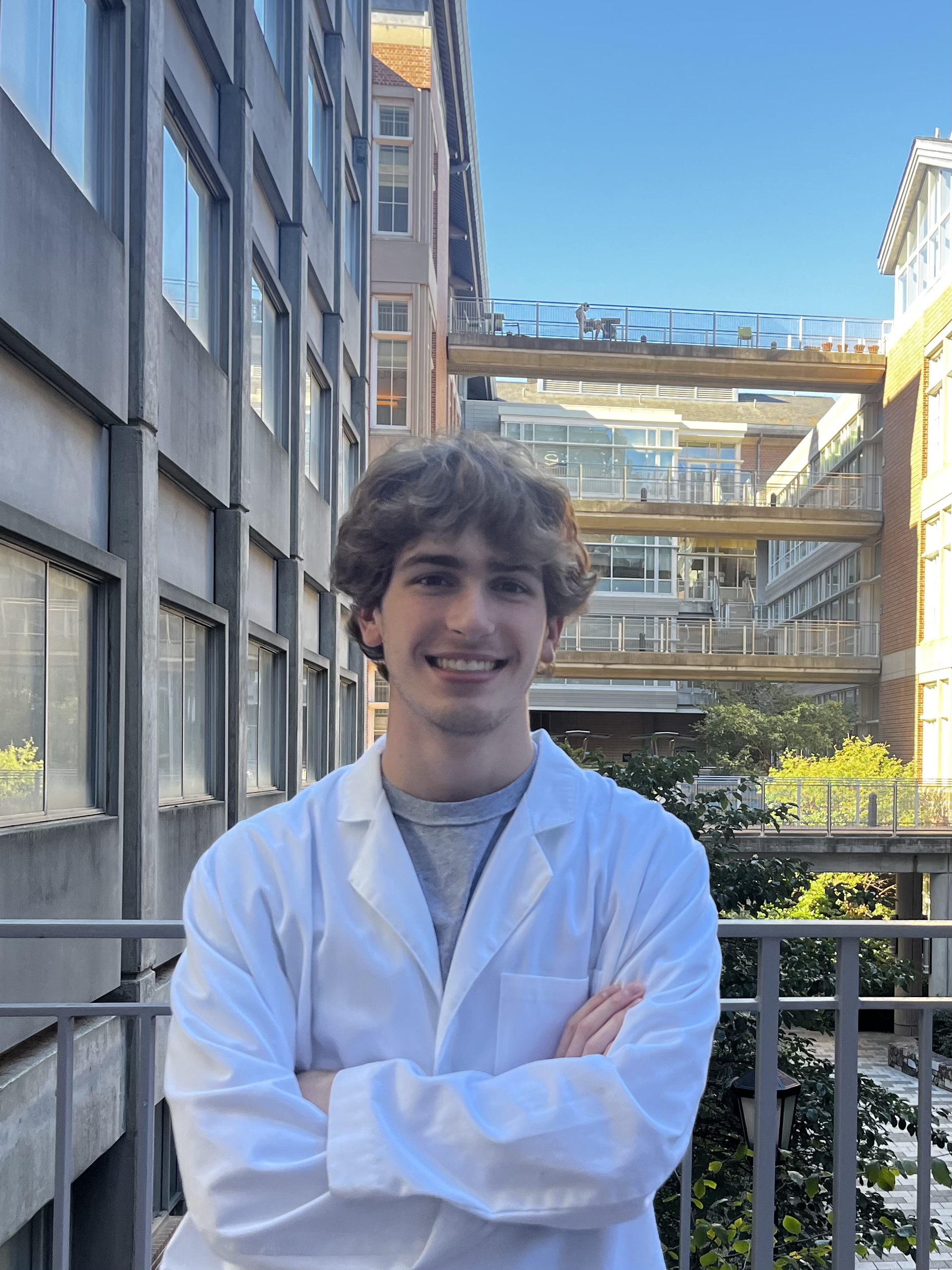
In the Miller Group at UNC-Chapel Hill, chemistry undergraduate JR Cobb studies how adding simple salts like lithium or sodium can control chemical reactions.
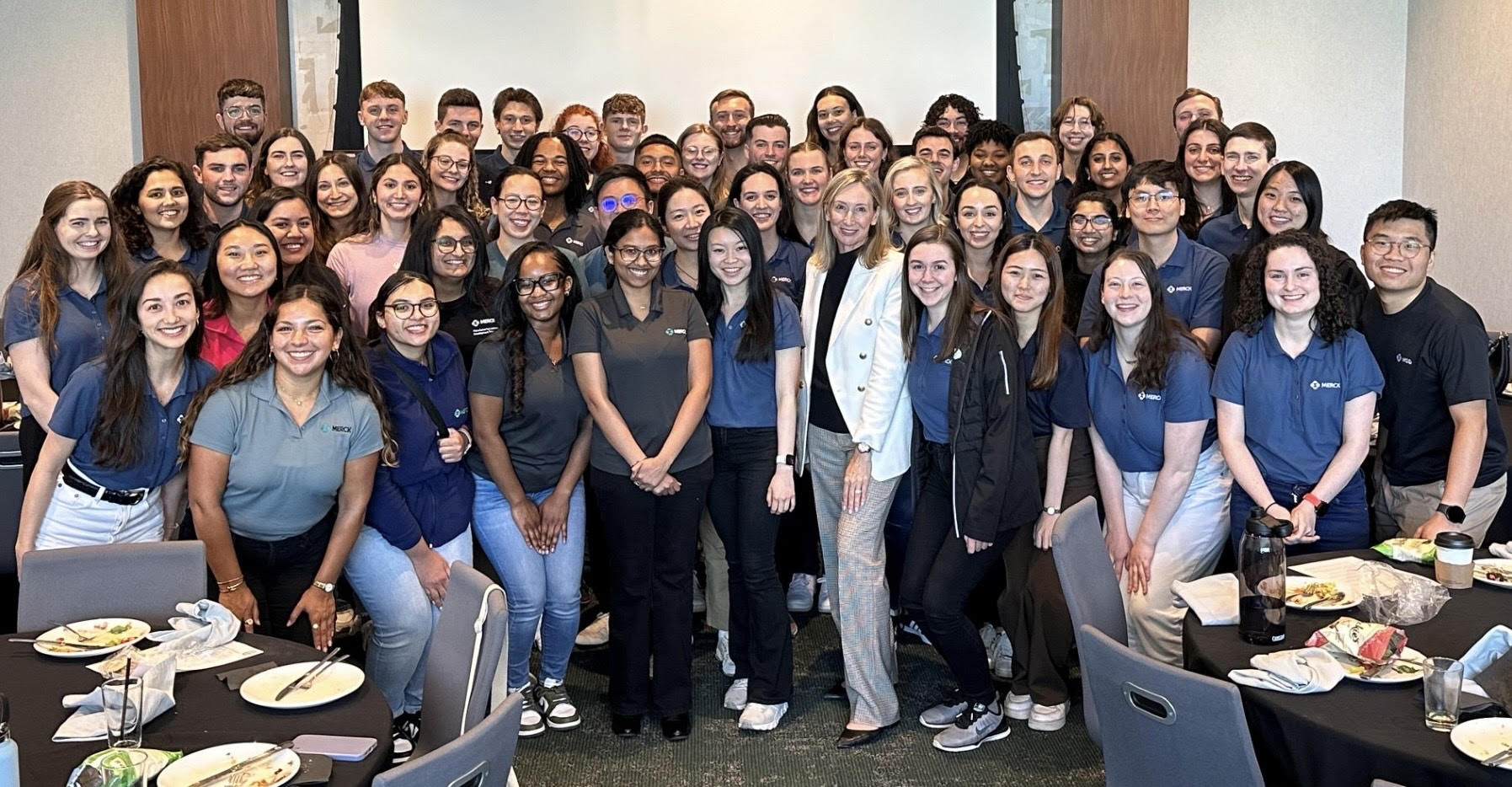
After earning her Ph.D. in analytical chemistry, Jennifer McCafferty launched a career that would span nearly three decades at Merck and GlaxoSmithKline.

Frank Leibfarth’s trailblazing work on PFAS and upcycling plastics has earned him the Blavatnik National Award for Young Scientists in the chemical sciences category.
Carribeth Bliem and Anna Curtis contributed important insights to the fourth edition of Chemistry: An Atoms-Focused Approach.
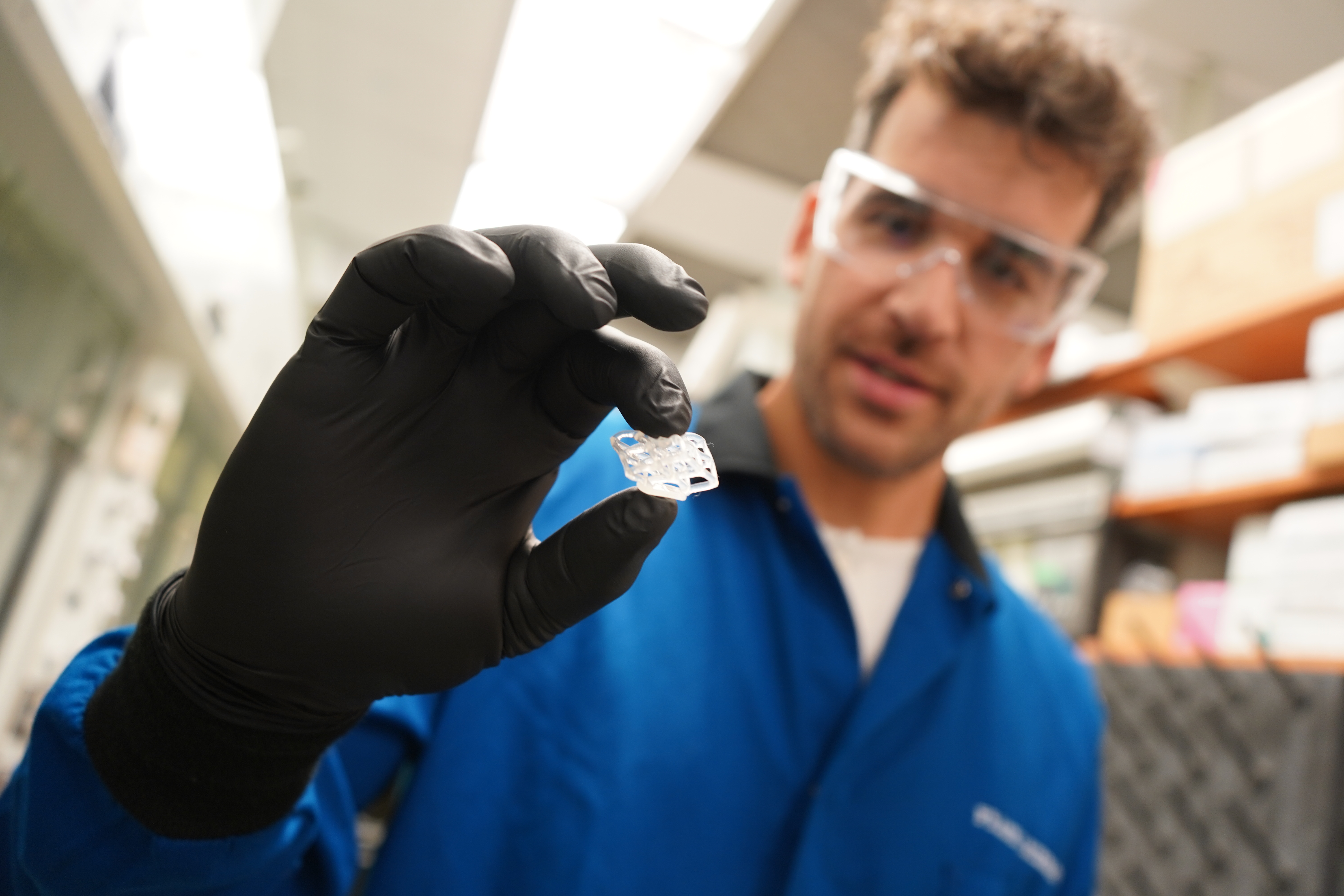
Researchers at Carnegie Mellon University and the University of North Carolina at Chapel Hill have developed a new approach to create better rubber-like materials more quickly by combining artificial intelligence with human expertise.

When perovskites are hit with light, they can form “polar states” that last an unusually long time—up to microseconds, or millionths of a second.
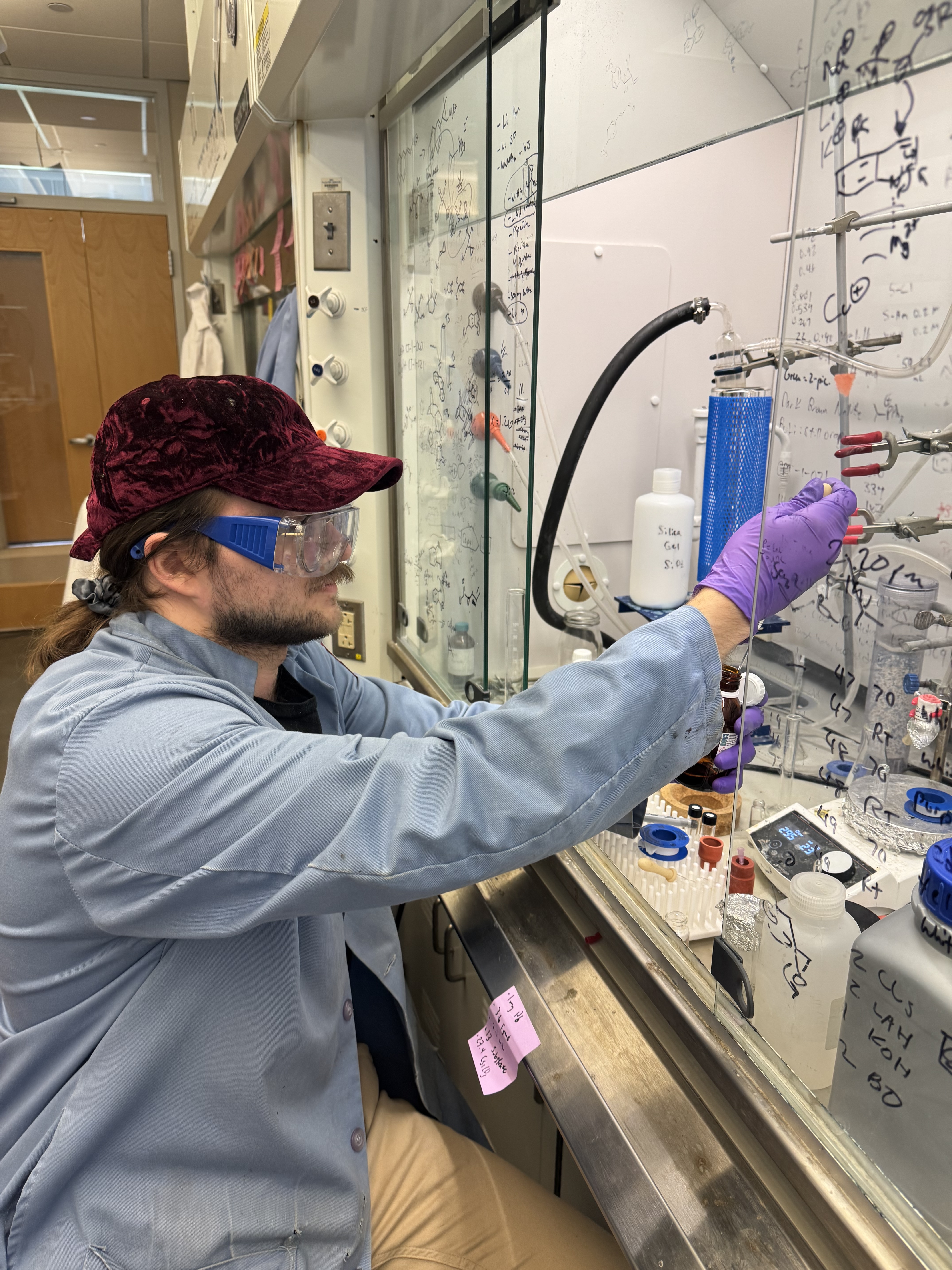
Researchers, including Charles Reece Teeples, have discovered a new way to make two rare molecular shapes more easily and with more design flexibility.
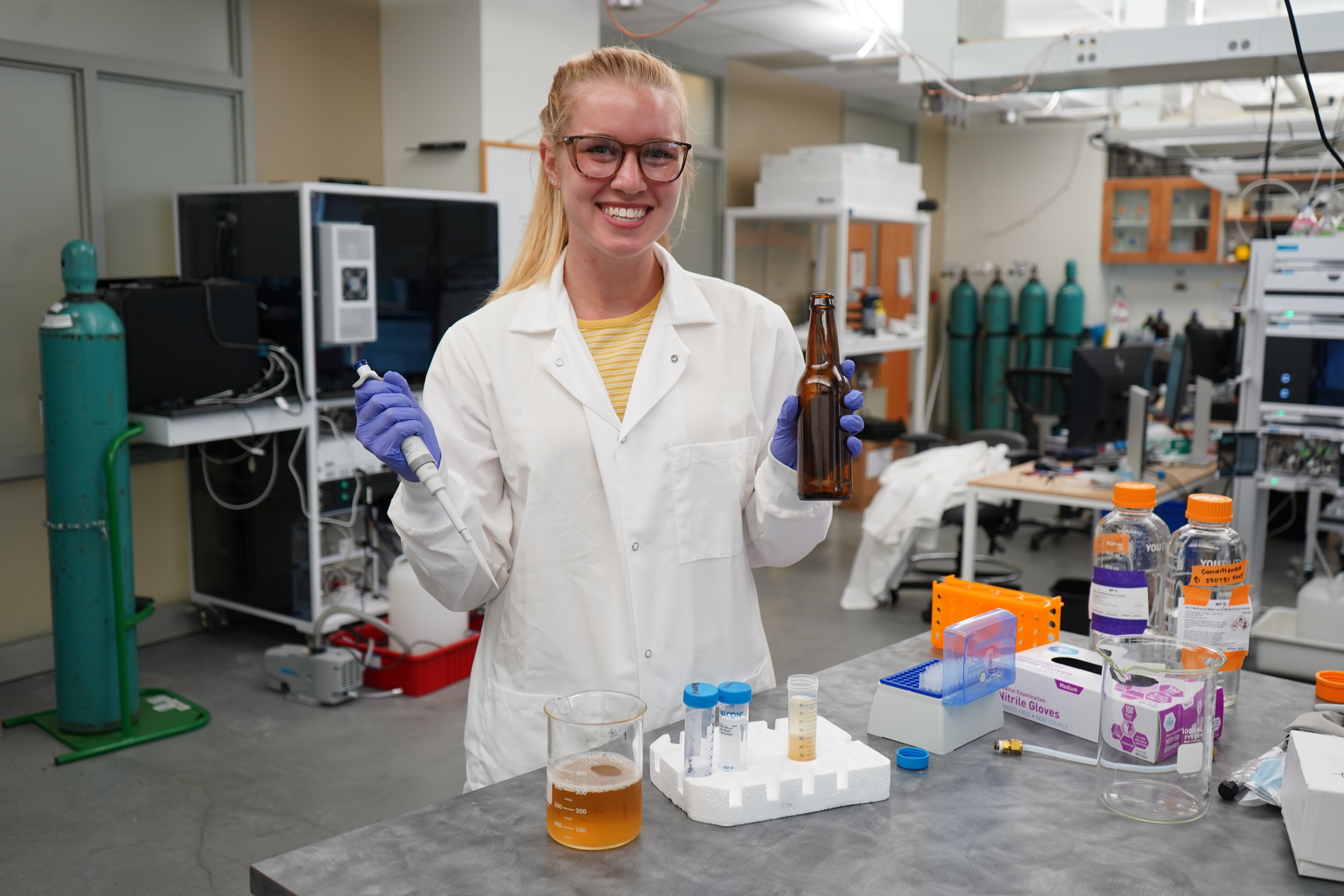
Ashlee Falls presented her work at the ASMS conference, focusing on how to accurately measure PFAS in beer brewed around the world.
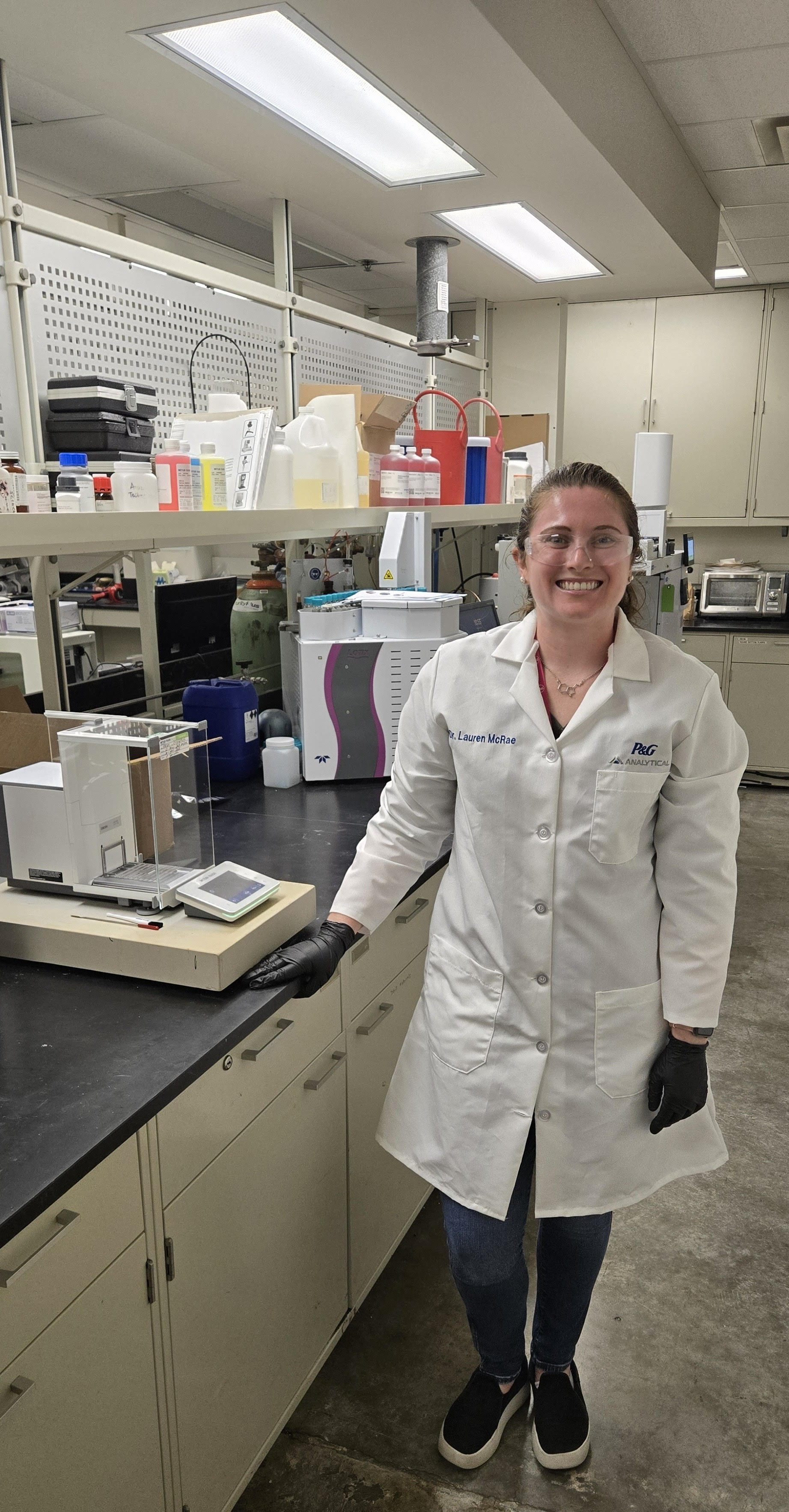
As as a senior scientist in P&G’s Baby, Feminine and Family Care Analytical division, Lauren McRae uses a problem-solving mindset to transform everyday products.